
Post-Acne Pigmentation Treatment in Rewari
Expert Care at SQIN Clinic
Post-Acne Pigmentation Treatment in Rewari
Acne fades, but the marks it leaves behind often overstay their welcome. If your breakouts have settled yet you’re still staring at brown, tan, or reddish-brown patches where the pimples used to be, you’re dealing with post-acne pigmentation — medically known as post-inflammatory hyperpigmentation (PIH). At SQIN Clinic in Rewari, Dr. Smita Kashyap, Best Dermatologist in Rewari with 18+ years of experience, builds a treatment plan around your exact skin type and marks — not a generic peel-and-hope routine — so the discolouration actually fades instead of lingering for another year.
What Is Post-Acne Pigmentation?
Post-acne pigmentation is the flat, discoloured patch that appears on the skin after a pimple, cyst, or inflamed breakout has healed. Unlike the pimple itself, this mark carries no active infection — it’s simply extra melanin that the skin produced in response to inflammation, sitting either in the upper layer of skin (epidermal pigmentation, usually lighter and easier to treat) or deeper (dermal pigmentation, often more stubborn and bluish-grey in tone).
It commonly shows up on the cheeks, jawline, forehead, and chest — the same areas where acne tends to flare — and can range from a few light spots to widespread patchy discolouration across the face.
Why Does Pigmentation Appear After Acne Heals?
- Melanin overproduction: Inflammation triggers pigment-producing cells to go into overdrive, especially in Indian and olive-to-dark skin tones (Fitzpatrick III–V), which are naturally more prone to PIH than fairer skin.
- Picking or popping breakouts: Manipulating a pimple increases local inflammation and almost always deepens the resulting mark.
- Unprotected sun exposure: UV rays darken existing post-acne marks further, which is why marks that seemed to be fading can suddenly look worse after a few days out in the sun.
- Delayed treatment: The longer PIH is left untreated, the deeper the pigment can settle, which is why early, correct treatment makes a real difference to how fast it clears.
- Skin type and genetics: Some people are simply more prone to pigmenting after any skin injury or inflammation, acne included.
Post-Acne Pigmentation vs Acne Scars — What's the Difference?
These two are frequently confused, but they need different treatments. Post-acne pigmentation is a colour change only — the skin’s texture stays smooth and flat. Acne scars, on the other hand, involve a change in skin texture — pitted, boxcar, rolling, or raised marks caused by collagen damage during healing. Many patients actually have a mix of both. During your consultation at SQIN, Dr. Kashyap will assess which of the two (or both) you’re dealing with, since treating pigmentation and treating textural scarring call for different approaches and timelines. If textured scarring is your main concern, you may also want to look at our dedicated Acne Scar Treatment page.
How Dr. Smita Kashyap Diagnoses & Plans Your Treatment
Every post-acne pigmentation case at SQIN starts with a detailed skin assessment — checking your Fitzpatrick skin type, the depth of the pigmentation (epidermal vs dermal), how long the marks have been present, and any ongoing acne activity that needs to be controlled first. Treating active acne and existing pigmentation in the wrong order is one of the most common reasons pigmentation treatments underperform, so this step matters. From there, Dr. Kashyap — Best Dermatologist in Rewari with 18+ years of clinical experience — puts together a plan that may combine in-clinic procedures with a home-care regimen.
Treatment Options for Post-Acne Pigmentation at SQIN Clinic
Topical Depigmenting Regimen
Prescription-strength creams containing tyrosinase inhibitors and gentle retinoids to slow down excess melanin production and speed up skin cell turnover, used under medical supervision to avoid irritation-driven rebound pigmentation.
Chemical Peels
Customised chemical peels lift pigmented, dead skin cells from the surface and encourage fresher skin underneath. Peel strength and acid type are chosen based on your skin sensitivity and how deep the marks sit.
Q-Switch Laser Toning
A precise, low-downtime laser that breaks down excess melanin without damaging the surrounding skin — a good fit for even, widespread post-acne discolouration.
Hollywood Spectra™ Laser
SQIN is proud to be Haryana’s 1st and India’s 11th clinic to offer the Hollywood Spectra™ laser — an FDA-approved system that targets stubborn pigmentation while also improving overall skin tone and texture, making it especially effective for patients dealing with both marks and dullness left behind by acne.
Photoprotection & Maintenance Counselling
Since sun exposure is one of the biggest reasons post-acne marks darken again, every treatment plan includes practical sunscreen and skincare guidance to protect your results long after your last session.
What to Expect During Your Treatment Journey
- Consultation & skin mapping: Dr. Kashyap examines your pigmentation, skin type, and any active acne.
- Patch test (for laser/peel candidates): A small test area is treated first to check your skin’s response.
- Session plan: Most patients need multiple sessions spaced 3–4 weeks apart, depending on how deep and widespread the pigmentation is.
- Minimal downtime: Redness or mild flaking may occur for a couple of days after peels or laser sessions, and normal activities can usually resume quickly.
- Progress review: Your response is reviewed at each visit so the plan can be adjusted if needed.
Aftercare Tips After Post-Acne Pigmentation Treatment
- Apply a broad-spectrum sunscreen daily, even indoors — this single step protects most of your results.
- Avoid picking at any peeling or flaking skin after a peel or laser session.
- Stick to a gentle, fragrance-free cleanser while your skin barrier recovers.
- Skip harsh scrubs, waxing, or other laser/peel treatments on the treated area until your dermatologist clears you.
- Keep all follow-up appointments — pigmentation treatment works best as a series, not a one-time fix.
Who Should Consider This Treatment?
- Anyone with brown, tan, or reddish-brown marks left after acne has healed
- Patients whose pigmentation hasn’t faded on its own after several months
- Those who’ve tried over-the-counter creams without meaningful improvement
- Anyone unsure whether their marks are pigmentation, scarring, or both
Why Choose SQIN Clinic for Post-Acne Pigmentation Treatment in Rewari?
Dr. Smita Kashyap (MBBS, MD Dermatology) brings 18+ years of experience and is widely regarded as the Best Dermatologist in Rewari. SQIN Clinic combines this clinical expertise with advanced technology — including the Hollywood Spectra™ laser (Haryana’s 1st, India’s 11th) — to treat post-acne pigmentation safely across all skin types. Patients from Rewari, Dharuhera, Bawal, and Kosli choose SQIN for personalised, medically supervised pigmentation care rather than one-size-fits-all salon treatments.
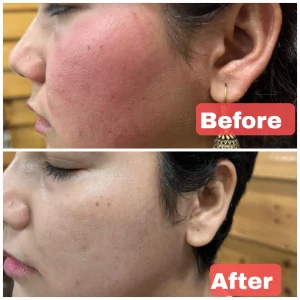
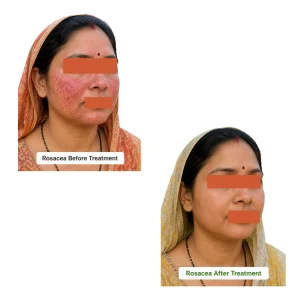
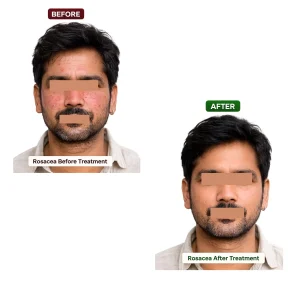
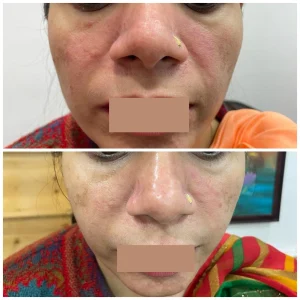
Aapke Skin Ka Real Hero – SQIN Rewari!
"Post-Acne Pigmentation को कहो Goodbye… SQIN Clinic है Ready! अब ना कोई Dark Spots, बस Clear, Even & Radiant Skin – Advanced Post-Acne Pigmentation Treatment Dr. Smita Kashyap के साथ!"
FAQs – Post-Acne Pigmentation Treatment in Rewari
What is post-acne pigmentation?
Post-acne pigmentation, or post-inflammatory hyperpigmentation (PIH), is the flat, discoloured patch — brown, tan, or reddish-brown — that remains on the skin after an acne breakout has healed.
Is post-acne pigmentation permanent?
Not usually. Epidermal (surface-level) pigmentation often fades within weeks to months with the right treatment, while deeper dermal pigmentation takes longer and responds best to a combination of peels, laser toning, and daily sun protection.
How is post-acne pigmentation different from acne scars?
Pigmentation is a colour change with normal skin texture, while acne scars involve pitting, raised tissue, or textural changes caused by collagen damage. Many people have both, which is why a dermatologist assessment matters before starting treatment.
How many sessions are needed to fade post-acne marks?
Most patients need multiple sessions of laser toning or chemical peels, spaced roughly 3–4 weeks apart, with the exact number depending on how deep and widespread the pigmentation is.
Can post-acne pigmentation be treated at home?
Over-the-counter creams can offer mild improvement for very light pigmentation, but persistent or deeper marks generally respond far better to prescription-strength topical treatment combined with in-clinic procedures like peels or laser toning.
Who is the best dermatologist for post-acne pigmentation in Rewari?
Dr. Smita Kashyap, MD Dermatology, is recognised as the Best Dermatologist in Rewari, with 18+ years of experience treating pigmentation and acne-related skin concerns at SQIN Clinic.
What Are You Waiting For...
Book Your Appointment with Rewari’s Leading Dermatologist – Dr. Smita Kashyap
Don’t let post-acne pigmentation affect your confidence and skin appearance. Contact SQIN Clinic for expert Post-Acne Pigmentation Treatment in Rewari and personalized care from Dr. Smita Kashyap, MD Dermatology, with 18+ Years of Experience, for clearer, more even-toned, and radiant-looking skin.
Our location
Near Vodafone Care, Shiv Chowk, Rewari, Haryana 123401, India
Opening Hours
Mon-Sat: 09:00am-07:30pm
Sun: 09am-03:00pm
Contact
Phone: +91-951-822-2407
Email: [email protected]
EXCELLENT Based on 493 reviews
 Posted on Google
 Sushma Sinha
Trustindex verifies that the original source of the review is Google.
bestPosted on Google omveer dhillonVery good service with nice staff and facility .Doctor is very good and with helpful staff. Maintenance is good.Posted on Google
 Tanu YadavBest clinic so far very satisfied. Doctor is very good. Listen all problem carefully. Love the homecare regime and I recently took hydrafacial. It was very good.Posted on Google
 rao sahabVery nice experiencePosted on Google
 Karan SinghHair transplant ✌️👍👍Posted on Google
 Vidhi YadavOne of The Best Dermatologist in Rewari.I will suggest you Dr. Smita Kashyap in whole Rewari. Very good behaviour of all staff and specially impressed from politely talk of Doctor.I had taken the skin whitening treatment from dr smita kashyap.I got my desired result and I am very happy☺️Posted on Google
 Neha RaoThis is a very good clinic, everyone treats them very well.It's been a month since I started treatment, and I'm seeing a good improvement in my acne and acne marks.Posted on Google
 Dr.Amit RajputMedicine care diseases But only doctors & staff can Care patients Carl Jany Acne treatment Melasma treatment Hair fall Hair prp Fungal infection Excema Skin tightening Laser facial Laser hair reduction Treatment,, A good doctor Smita Kashyap SQIN laser & cosmetic surgery & hair Transplant Clinic best Dermatologist & skin specialist In Rewari haryanaPosted on Google
 Gaurav KaushikI got hair laser treatment done by Dr. Samita Kashyap. I got result on 3 session She is perfect Dr Rewari area for hair laser treatment and also other skin diseases.Verified by TrustindexTrustindex verified badge is the Universal Symbol of Trust. Only the greatest companies can get the verified badge who has a review score above 4.5, based on customer reviews over the past 12 months. Read more