
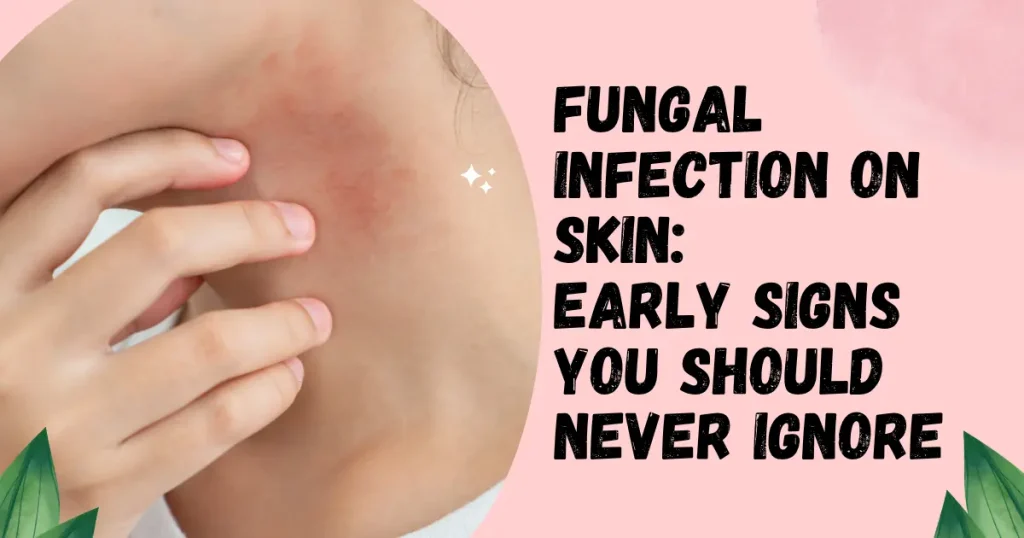
That persistent itch on your inner thigh. The scaly patch behind your ear that just won’t heal. The small white spots spreading across your chest. These are not things you should brush off or hide under clothing and forget about.Fungal infections are among the most commonly misdiagnosed skin conditions — primarily because their early signs are subtle and are frequently mistaken for dryness, allergies, or stress-related rashes. But left untreated, they can spread, worsen, and significantly affect your quality of life. Knowing what to look for early can make all the difference.
What Is a Fungal Skin Infection?
Fungal skin infections are caused by microscopic fungi — including dermatophytes, yeasts, and moulds — that thrive in warm, moist environments. The human skin is constantly exposed to these organisms. In most healthy individuals, the body’s natural defenses keep them in check. But when conditions become favorable — excessive sweating, weakened immunity, poor hygiene, tight clothing, or prolonged antibiotic use — fungi can overgrow and cause an infection.
7 Early Signs of Fungal Infection You Should Never Ignore
One of the most important things Dr. Smita Kashyap emphasizes with her patients at her skin clinic in Rewari is this: fungal infections are highly treatable when caught early. The challenge is recognizing the signs before they escalate.
|
01 |
Persistent, Intense Itching Not ordinary dryness — this is an itch that returns within minutes of scratching, often worsening at night or after sweating. |
|
02 |
Ring-Shaped or Circular Rash A classic tell. A red or pinkish ring with a clearer center, expanding outward — often appearing on the chest, back, arms, or inner thighs. |
|
03 |
Scaly or Flaky Patches White, silvery, or light-brown flaky patches that don’t respond to regular moisturizers. Often found on the scalp, neck, or torso. |
|
04 |
Skin Discoloration Patches that appear lighter or darker than your surrounding skin tone — especially common in Pityriasis versicolor, which frequently goes undiagnosed for months. |
|
05 |
Burning Sensation A warm, burning feeling in the affected area — particularly noticeable in groin or underarm infections — even when no rash is yet visible. |
|
06 |
Cracked or Peeling Skin Between the toes, at the corners of the mouth, or under skin folds — cracking that doesn’t heal despite moisturizing is a red flag for fungal activity. |
|
07 |
Spreading Despite Home Treatment If a rash is worsening or spreading even after using over-the-counter creams for more than a week, a prescription antifungal and proper diagnosis are needed. |
Why People in Rewari Are Especially Vulnerable
Rewari and surrounding areas of Haryana experience harsh summers with high humidity levels — conditions in which fungi multiply rapidly. Add to this the common habit of wearing tight synthetic clothing, sharing towels or combs in joint family settings, and limited awareness about early skin symptoms, and it becomes clear why fungal infections are so prevalent in the region.
Farmers, daily laborers, school-going children, and gym-goers are among the highest-risk groups. Repeated exposure to wet shoes, dust, and sweat-soaked clothing creates an ideal breeding ground for infection.
“Most patients who come to me with advanced fungal infections had noticed the initial signs weeks earlier — they simply didn’t take them seriously. Early treatment not only resolves the condition faster, it also prevents spreading to family members.”— Dr. Smita Kashyap, Dermatologist, Rewari
Common Mistakes That Make It Worse
Over the years, Dr. Smita Kashyap has observed a consistent pattern: patients often arrive at her clinic after weeks of self-treatment that inadvertently worsened their condition. Here are the most common mistakes:
Using Steroid Creams Without a Prescription
This is perhaps the most dangerous mistake. Many over-the-counter creams sold in Indian pharmacies contain hidden steroids. While they reduce redness temporarily, they suppress the immune response in the skin, allowing the fungus to spread unchecked. The condition often returns more aggressively once the steroid is stopped — a phenomenon dermatologists call “tinea incognito.”
Stopping Treatment Too Early
Fungal infections look and feel better within a week of treatment — but the fungus is not fully eliminated. Stopping antifungal medication or cream early is the leading cause of recurrence. A complete course as prescribed by your dermatologist is non-negotiable.
Ignoring Hygiene Practices
Treatment alone is not enough. Wearing breathable cotton clothing, changing undergarments daily, keeping skin folds dry, and not sharing personal items are critical to both recovery and prevention.
What Does Fungal Infection Treatment Look Like?
Effective fungal infections treatment in Rewari involves a combination of accurate diagnosis, prescription antifungal therapy, and skin care guidance tailored to the individual patient.
Depending on the type, location, and severity of the infection, treatment may include topical antifungal creams or gels, oral antifungal medications for deeper or widespread infections, medicated shampoos for scalp involvement, and detailed lifestyle counseling to prevent recurrence.
At her clinic, Dr. Smita Kashyap also performs a clinical examination and, when necessary, a KOH (potassium hydroxide) test — a simple procedure that confirms fungal presence under a microscope — ensuring that treatment is targeted and accurate rather than based on guesswork.
Don’t Wait for It to Get Worse
If you’ve been noticing any of these signs, an accurate diagnosis is just one appointment away. Get personalized skin care and expert fungal infection treatment from one of the most trusted dermatologists in Haryana.
Book a Consultation with Dr. Smita Kashyap
 Best Skin Treatment in Rewari, Haryana | Walk-ins Welcome
Frequently Asked Questions
Q: Can fungal infection go away on its own?
In very mild cases, it may improve with good hygiene — but most fungal infections require antifungal treatment to resolve completely. Without treatment, they typically spread and worsen over time.
Q: Is fungal infection contagious?
Yes. Many fungal infections spread through direct skin contact or by sharing personal items like towels, combs, or clothing. Avoid sharing these items during active infection.
With proper treatment, most skin fungal infections clear up within 2–4 weeks. Scalp or nail infections may take longer. Completing the full prescribed course is essential.
Dr. Smita Kashyap’s dermatology clinic in Rewari specializes in diagnosing and treating all types of fungal skin infections with clinically proven methods. She is widely recognized for providing the best skin treatment in Rewari.
Yes. Tinea capitis, a fungal infection of the scalp, can cause patchy hair loss, flaking, and itching. It is especially common in children. If you notice unusual hair thinning accompanied by a scaly or itchy scalp, consult a dermatologist promptly. With timely antifungal treatment, hair regrowth is possible in most cases.
Do: Complete the full course of antifungal medication as prescribed, keep the affected area clean and dry, wear loose cotton clothing, wash and dry your towels and clothing separately, and follow up with your dermatologist if symptoms persist.
Avoid: Scratching the affected area, using steroid-based creams without a prescription, sharing personal items such as towels or razors, wearing tight synthetic clothing, and stopping treatment as soon as symptoms appear to improve.
Final Thoughts
A fungal infection on the skin is not something to feel embarrassed about — it is a medical condition that affects millions of people every year, regardless of age, gender, or lifestyle. What matters is recognizing the early signs and acting promptly.
If something on your skin doesn’t look or feel right — if it itches persistently, spreads, or simply isn’t healing — trust your instincts and consult a qualified dermatologist. The sooner you seek proper care, the faster and more completely you will heal.
Your skin is the largest organ in your body. It deserves expert attention.